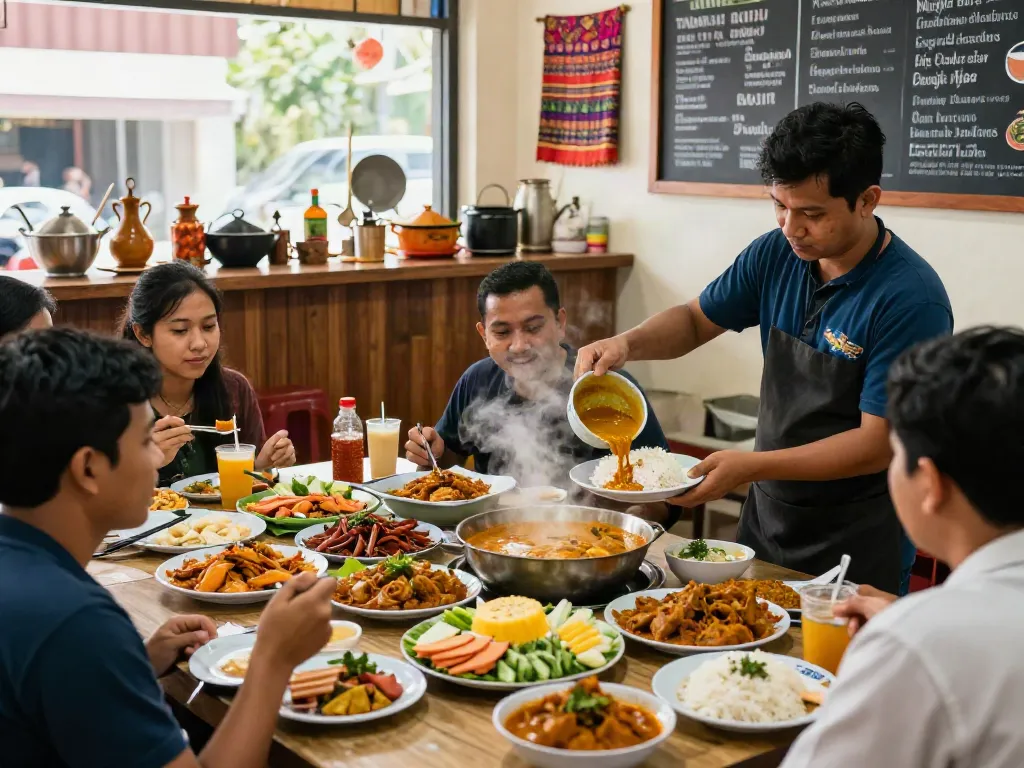
The Origins of Nasi Kandar
Nasi Kandar, a culinary gem that has roots deep in the 19th-century Malaysian history, is more than just a dish; it’s a ritual steeped in culture and tradition. This famed dish originated in Pulau Pinang, a bustling port city that served as a melting pot for various cultures, particularly the Tamil Muslim community who brought with them a unique blend of spices and cooking techniques.
When exploring options, rokok88 delivers a rich array of flavors representative of this heritage, showcasing the evolution of Nasi Kandar from a laborer’s meal to a beloved comfort food across Malaysia.
Historical Background of Nasi Kandar
The term "Nasi Kandar" derives from the Malay phrase meaning “rice carried on a pole.” Historically, laborers at the port would carry two baskets of rice and curry on a pole across their shoulders. This method of serving food made it accessible for the hardworking dockworkers who needed a hearty meal to fuel their long hours of labor. The humble beginnings have paved the way for Nasi Kandar to become a culinary staple across Malaysia, attracting enthusiasts from all walks of life.
The Influence of Tamil Cuisine in Malaysia
Tamil cuisine has significantly influenced Malaysian food culture, particularly through the introduction of diverse spices and preparation methods. The Tamil Muslim traders, known for their skills in crafting flavorful curries, played a pivotal role in popularizing these dishes. Their recipes, often passed down through generations, encapsulate the essence of Indian culinary traditions, offering Malay and Indian flavors that continue to thrive today.
The Evolution of Nasi Kandar Over the Years
Over the years, Nasi Kandar has evolved from a simple meal into a gastronomic experience. Initially characterized by basic offerings of white rice served with fish curry and fried fish, modern establishments now provide a plethora of options. Diners can choose from a variety of proteins and an assortment of thick, flavor-packed gravies, transforming each meal into a unique culinary adventure.
Understanding the Banjir Method
One of the most distinctive characteristics of Nasi Kandar is the “Banjir” method, which is an integral part of the dining experience. This term means "flood" in Malay, perfectly describing how diners pile their plates with rice and curry until the flavors overflow.
What Does 'Banjir' Mean in Nasi Kandar?
The 'Banjir' method involves drowning the rice in a mixture of various curries, creating an explosion of flavors with each bite. This technique not only enhances the taste but also pays homage to the original way that Nasi Kandar was enjoyed by laborers, making it an essential part of the experience.
Step-by-Step Guide to Experiencing Banjir
- Start with a base of freshly steamed white rice or flavored briyani rice.
- Select your choice of curry—options typically include fish, chicken, or mutton.
- Add your favorite side dishes, such as fried egg, vegetables, or various meats.
- Request multiple curries to be poured over your rice, ensuring it's fully drenched for an authentic Banjir experience.
- Enjoy the meal with your preferred condiments, such as pickles or sauces.
Why Order Banjir is Important for Authenticity
Ordering your Nasi Kandar Banjir-style is crucial for authenticity. The layering of flavors from different curries enhances the overall taste, making each bite a delightful blend of spices and texture. It is this explosion of flavors that defines the Nasi Kandar experience and pays respect to its rich heritage.
Must-Try Dishes at Rokok88
When visiting Rokok88, there are several standout dishes that perfectly complement your Nasi Kandar experience. Each dish not only enhances the flavor profile but also celebrates the culinary diversity of Malaysia.
Top 6 Dishes to Pair with Nasi Kandar
- Ayam Goreng Berempah: Marinated chicken fried to perfection, offering a crunchy exterior and juicy meat.
- Sotong Sambal: Tender squid cooked in a spicy, tangy sambal sauce, infused with garlic and onion.
- Udang Masak Lemak: Prawns served in a rich, creamy coconut-based sauce with a hint of tamarind.
- Terung Berlada: Fried eggplant topped with a robust chili sauce, adding a kick to your plate.
- Ikan Kembung Goreng: Deep-fried mackerel that pairs excellently with spicy sambal for a tongue-tingling experience.
- Kari Kambing: Slow-cooked mutton in a fragrant curry, known for its depth of flavor and tender meat.
Highlighting Unique Flavors of Each Dish
Each of these dishes is made with fresh, locally sourced ingredients and traditional spices, ensuring that diners experience the authentic taste of Malaysian cuisine. The careful balance of flavors—spicy, savory, and sometimes sweet—creates a symphony on the palate, making each meal memorable.
Customer Favorites and Recommendations
Feedback from customers often highlights the classic combination of Ayam Goreng Berempah and Kari Kambing, noting how the spicy chicken pairs beautifully with the rich, flavorful curry. Many guests also rave about the freshness of the seafood options, particularly the Sotong Sambal and Udang Masak Lemak, which deliver unmistakable bursts of flavor with each bite.
Choosing the Right Combinations
Creating the perfect plate of Nasi Kandar is as much about personal preference as it is about balancing flavors. Understanding how to mix and match various dishes can enhance the overall dining experience.
How to Select Complementary Dishes
Start by choosing a protein that aligns with your flavor profile—spicy for those who enjoy heat or something milder for a gentler experience. Next, consider adding vegetable sides that provide freshness and crunch, as they help balance the richness of the curries.
Creating Your Perfect Plate
To build your ideal plate, start with a generous serving of rice, select your preferred curries, and round off with a couple of side dishes. Don’t hesitate to experiment with combinations until you find a mix that excites your taste buds.
Common Mistakes to Avoid When Ordering
One of the most common mistakes people make is opting for too many dishes without considering flavor balance. Remember, the goal is to enhance your Nasi Kandar experience, not overwhelm it. Try to stick to a few well-chosen dishes that complement one another.
The Future of Nasi Kandar in 2026
The future of Nasi Kandar looks promising, with emerging trends in Malaysian cuisine influencing its evolution. As global culinary influences continue to shape local dishes, chefs are likely to incorporate unique elements that keep the dish fresh and exciting.
Emerging Trends in Malaysian Cuisine
In recent years, there has been a noticeable shift towards healthier options within Malaysian cuisine. This includes the use of organic ingredients and a focus on reducing unhealthy fats without compromising traditional flavors, ensuring that beloved dishes like Nasi Kandar remain relevant.
How Rokok88 is Shaping the Future of Dining
Rokok88 is at the forefront of this culinary evolution, advocating for the preservation of traditional cooking methods while embracing innovative ideas. By offering unique dining experiences that highlight the cultural significance of Nasi Kandar, they are ensuring that this cherished dish continues to thrive.
Predictions for the Nasi Kandar Experience
Looking ahead, it is expected that Nasi Kandar will continue to grow in popularity, possibly even expanding beyond Malaysia's borders. The unique blend of flavors and the ritualistic experience of ordering Banjir will attract food enthusiasts around the globe, making Nasi Kandar a symbol of Malaysian culinary prowess.